
 Skip to content

Acupuncture for Stress and Anxiety: Does It Really Work?
Stress and anxiety affect millions of Australians every year. From work pressure and financial worries to family responsibilities and lifestyle challenges, ongoing stress can impact both mental and physical health. As more people look for natural treatment options, many are turning to acupuncture for anxiety and stress management.
But does it actually work?
In this guide, we explore the potential benefits of acupuncture, how it may help calm the nervous system, and what you can expect from treatment.
Understanding Stress and Anxiety
Stress is the body’s natural response to challenging situations. While short-term stress can help you stay alert, chronic stress may contribute to sleep problems, muscle tension, headaches, fatigue, and emotional exhaustion.
Anxiety often goes beyond everyday stress. It can cause excessive worry, restlessness, racing thoughts, difficulty concentrating, and physical symptoms such as a rapid heartbeat or digestive discomfort.
Many people seek complementary therapies because they want a drug-free approach to managing these symptoms.
What Is Acupuncture?
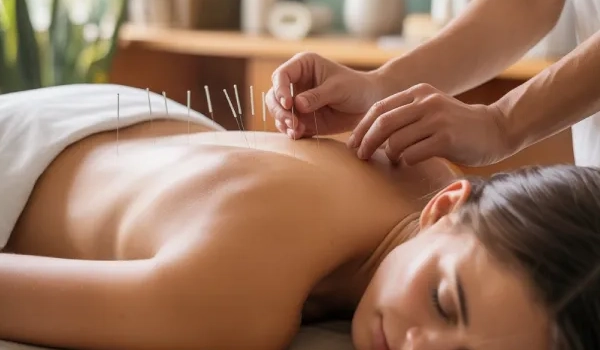
Acupuncture is a traditional therapy that involves inserting very fine needles into specific points on the body. Practitioners use these points to support the body’s natural healing processes and encourage balance within the nervous system.
Today, acupuncture is widely used alongside conventional healthcare for various conditions, including pain management, sleep issues, stress, and anxiety. Some research suggests acupuncture may help support the body’s stress response and promote relaxation, although evidence continues to evolve.
Acupuncture for Stress Relief: How Does It Work?
Many people choose acupuncture for stress relief because it may help activate the body’s relaxation response.
When stress levels remain high, the body’s stress response system can stay activated for long periods, making it harder to relax and recover. Acupuncture may encourage the parasympathetic nervous system, often called the “rest and digest” system, helping the body shift into a calmer state.
Potential benefits of acupuncture for stress include:
Reduced muscle tension
Improved sleep patterns
Better emotional regulation
Increased relaxation
Lower feelings of overwhelm
Improved energy levels
Some people report feeling more relaxed after treatment, while others notice more gradual changes over multiple sessions. Individual responses vary.
How Long Does Acupuncture Take to Work for Anxiety?
The answer depends on several factors, including:
The severity of symptoms
How long has anxiety been present?
Lifestyle factors
Sleep quality
Overall health
Some people feel more relaxed after their first session. Others may require several treatments before noticing significant changes. Practitioners often recommend a personalised treatment plan based on individual needs and health goals.
Consistency usually delivers the best results when using acupuncture for anxiety management.
What Happens During an Acupuncture Session?
If you are considering acupuncture for anxiety or stress, understanding the process can help you feel more comfortable.
A typical session may include:
- A discussion about your symptoms and health history.
- An assessment of your overall wellbeing.
- Placement of fine needles at specific points.
- A relaxation period while the needles remain in place.
- Ongoing treatment recommendations if needed.
Most people find acupuncture sessions relaxing and report minimal discomfort during treatment.
Conclusion
If you are looking for a natural approach to managing stress and anxiety, acupuncture may offer valuable support. While research continues to evolve, many people experience positive results from acupuncture for anxiety, stress management, relaxation, and emotional wellbeing. Combined with healthy lifestyle habits and professional healthcare guidance, acupuncture may support relaxation and wellbeing as part of an overall healthcare plan.
At ProHealth Wellness Centre, we provide professional acupuncture for anxiety and stress management services for individuals in Vermont South and surrounding areas. Our team takes a personalised approach to help support your wellbeing, relaxation, and long-term health goals. If you’d like to find out whether acupuncture is appropriate for your individual circumstances, contact ProHealth Wellness Centre on 03 8821 8686 to arrange a consultation with one of our qualified practitioners.


