Dry Needling in Vermont South — Find Relief from Pain

Do you want to find relief from persistent pain with Western medicine treatment? Are you looking for therapy that targets specific trigger points? Perhaps dry needling has the cure for your ailment. It is a technique that involves the insertion of thin needles in specific muscle points. While it has its similarities, the procedure is quite different from acupuncture. It is an effective treatment for muscle issues, sports injuries and chronic pain.

ProHealth Wellness Centre is a leading wellness clinic in Vermont South that offers dry needling treatment. We offer several dry needling methods which are customised to your needs. If you seek comfort from pain, we can help. Experience the positive changes dry needling can bring and experience a pain-free, rejuvenated life.

Contact Us

What is dry needling?

Many patients find relief from intense muscle pain and mobility issues through dry needling. It is a drug-free technique popular among athletes and those with injuries or chronic pain. Also known as intramuscular stimulation, trained professionals insert thin, dry needles into muscle tissue without injecting anything into the body.

The gentle skin pricks stimulate a “twitch” response in muscle fibres, releasing tension and contributing to the relaxation of tightened and spasmodic muscle tissue. This technique relaxes tight muscles, kickstarting natural healing for targeted relief. Dry needling provides a straightforward, precise and effective approach to managing pain and enhancing muscle function.
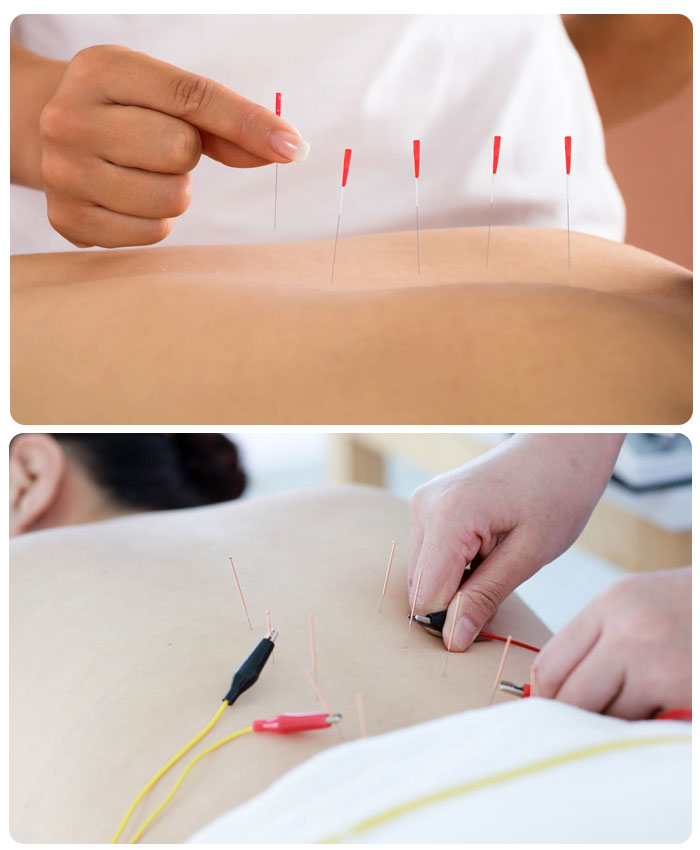
How Does Our Dry Needling Therapy Work?

We follow a straightforward process that targets specific trigger points. Before the treatment begins, a careful assessment identifies areas of muscle tension. Then, using precision techniques, the dry needles for therapy are inserted.

Let’s take a closer look at the steps:

Identify Trigger Points

We thoroughly evaluate the patient’s symptoms, mobility and muscle functions to identify trigger points. Once identified, we assess the affected muscle groups to locate tensed areas. Knots or tight bands are located through touch or a trigger point map.

Prepare for the Procedure

Before beginning the treatment proper, the body surface is cleaned to maintain hygiene and prevent infections. The patient is positioned so that the targeted muscles can relax fully, making the process smoother and minimising discomfort.

Insert the Needle

A thin, sterile needle is gently inserted to elicit a local twitch response. Unlike injections, dry needling doesn’t inject any type of fluid. Rather, a needle, 3-4mm long, is inserted above the trigger point or the affected area. The goal is to reach the underlying knots and stimulate the muscle to release built-up tension.

Stimulate Muscle Response

During insertion, the needles are manipulated to induce a response—quick muscle spasms. This reaction is a positive sign that the muscle is responding to the therapy. The needles are adjusted accordingly to target the entire trigger point and ensure complete treatment.

Remove the Needle

Once the desired results are achieved, the needle is gently withdrawn. The treated area is then assessed to check for any reactions.

Post-treatment Care

After the dry needling treatment, it is common to experience mild muscle soreness or tenderness. This can last anywhere between 24 to 48 hours. Based on the individual’s condition, follow-up sessions may be recommended to ensure long-term relief.

Conditions Treated by Dry Needling Therapy

Are you struggling with chronic pain? Well, this treatment is a practical solution for various musculoskeletal conditions. It’s generally considered safe when performed by a trained professional. ProHealth Wellness Centre offers dry needling therapy to treat the following conditions:

Joint Dysfunction

This approach complements other physiotherapy treatments that address joint dysfunction. It targets muscle imbalances and associated pain. The procedure also targets pain sources, including the lower back or sacroiliac joint issues.

Musculoskeletal Pain

Gentle pressure on trigger points releases tight bands or tissue knots. This reduces musculoskeletal pain and discomfort. Don’t worry, our therapist prioritises your comfort throughout the treatment.

Rehabilitation from Injuries

Are you struggling with pain or mobility issues after surgery? Dry needling can be a game-changer for you. It actively supports the recovery process and restores optimal muscle function after injury.

Sports Injuries

Athletes often suffer from injuries due to muscle overuse, imbalance or sudden impacts during training. Our clinic offers an effective method for addressing these issues. Targeting specific muscle groups promotes faster recovery and improves function. For instance, this method can effectively increase pain tolerance and reduce muscle cramps.

Chronic Pain Syndrome

Individuals facing chronic pain syndromes like fibromyalgia and myofascial pain syndrome, may benefit from dry needling massage. By precisely targeting tense muscles and trigger points, you enjoy enhanced blood flow, reduced muscle tension and improved range of motion.

Our Dry Needling Needling Techniques

ProHealth Wellness Centre offers dry needling as a minimally invasive therapy in Vermont South. It is preferred for its effectiveness in pain relief. We carefully insert hair-thin needles into the skin, targeting specific areas to ease tension and pain. That being said, dry needling pain can be an issue. This can vary depending on factors like the muscles being targeted, your pain tolerance and the technique used by the practitioner. If you feel any discomfort, immediately inform our therapist. We’ll adapt our treatment accordingly.

Here are the different techniques we use in dry needling:

  • Trigger Point Dry Needling:

    This method tackles pain through active trigger points and sensitive areas formed in muscles. Special needles are chosen based on muscle and individual factors to alleviate neck and headache pain. These needles also target specific trigger points like the upper trapezius.

  • Superficial Dry Needling:

    Designed for delicate areas like myofascial trigger points in the lower back muscles, this treatment works superficially. It involves inserting needles just slightly into the skin. It triggers reflexes just above the muscle, promoting pain relief without penetrating deep into the muscle itself.

  • Deep Dry Needling:

    Commonly used for patients with spine-related conditions, dry deep needling uses longer needles. It reaches deep-seated muscles and changes pain perception. This is ideal for addressing tight piriformis muscles causing pain.

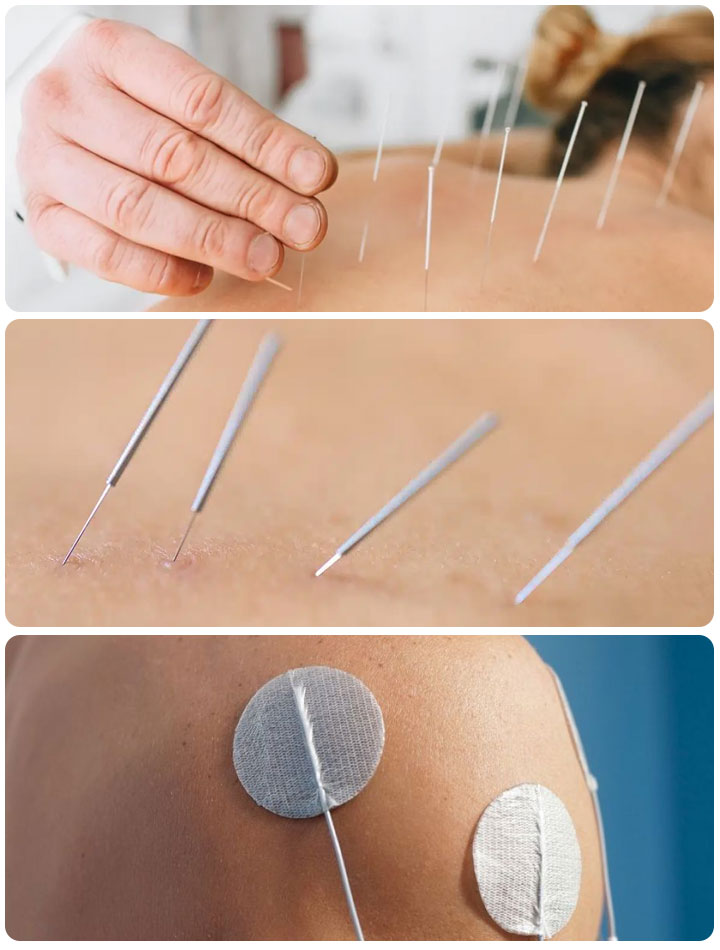
  • Intramuscular Electrical Stimulation (IMES):

    This technique combines dry needling with transcutaneous electrical nerve stimulation (TENS) currents to maximise therapeutic effects. Electro-dry needling is beneficial for patients with lower back pain.

  • Periosteal Pecking:

    Unlike the previous methods, this method uses a dry needle to stimulate the bone. The aim is to trigger neuroendocrine responses. Particularly effective for osteoarthritis symptoms, it makes use of long needles that reach close to the bone.
What Are the Benefits of Dry Needling?

The dry needling technique is widely used to relieve pain and improve muscle function. Many people find it beneficial for both acute injuries and long-term discomfort. Here are a few advantages of this therapy:

Pain Relief

It’s a great method to ease long-term pain caused by tight muscles, trigger points and other issues. This technique focuses on areas like the back, neck and shoulders to streamline blood flow. Moreover, the treatment offers quicker relief than acupuncture.

Enhance Mobility

You can boost movement, flexibility and overall functioning with this therapy. It benefits athletes or those with physical challenges by relieving muscle tightness and improving strength. When combined with physical therapy, overall recovery becomes more effective and faster.

Eases Muscle Tension

Poor posture, excessive physical activity, or injury can lead to muscle stiffness. Our treatment plan relieves the pain by triggering a twitch response in the targeted trigger points. Dry needling and massage alleviate body stress in a hassle-free manner.

Improved Circulation

This technique is very effective in streamlining blood circulation, delivering essential nutrients and oxygen to promote healing. Addressing restricted blood flow from muscle tightness eases pain and stiffness.

Safe, Quick and Painless Treatment

Are you looking for a safe, painless treatment? This procedure uses sterile needles without medication, minimising side effects. While mild discomfort may occur, sensations like soreness or muscle twitches usually subside within hours or days.

Get Started with Dry Needling Treatment Today!

Don’t ignore physical discomfort or severe pain. Instead, visit ProHealth Wellness Centre and begin your healing journey. If you are still unsure whether our dry needling therapy sessions in Vermont South are right for you, call us on (03) 8821 8686 or email us at info@prohealthwellness.com.au. Book an appointment today and take the first step towards pain relief!

FAQs

Some patients feel relief for hours, while others experience lasting effects for days. Chronic conditions often see longer results, while acute pain may require multiple sessions.
The frequency of the treatment may be the issue. Weekly sessions may help with new injuries, while chronic pain might need 1-2 sessions per week, tapering to monthly.

Dry needling is a beneficial technique for alleviating pain and addressing various conditions, including:

  • Joint problems
  • Disk issues
  • Headaches
  • Whiplash
  • Spinal concerns
  • Night cramps
  • Phantom limb pain
Dry needling treatment is generally safe when performed by a trained professional. Temporary soreness, fatigue, or mild bruising may occur, while serious risks are rare. Following aftercare instructions also minimises discomfort.

Take it easy for 24 hours after your session. Avoid intense workouts and opt for gentle movement to reduce soreness. Use ice or heat as needed. However, there’s no need for a special diet or medication.

Acupuncture and dry needling share similarities but differ in approach. The former balances energy and treats internal issues, while the latter is a Western technique targeting muscle trigger points to relieve pain and restore function.

No, the treatment isn’t very painful, as it uses a minimally invasive approach. A thin, flexible needle targets trigger points with precision, causing little to no discomfort. The sensation is far from an injection, and in most cases, patients can hardly feel it.

Dry needling costs may be covered under physical therapy benefits by some health insurance plans. The coverage varies, with possible session limits or prior authorisation required. Check with us for specific details.

No, this therapy is not recommended during pregnancy due to potential risks. If at all you must undergo treatment, avoid areas like the abdomen and muscles such as the psoas, iliacus and quadratus lumborum.