
 Skip to content

Cupping Therapy for Back Pain: Can It Help Relieve Back Pain?
Back pain affects millions of Australians and can impact work, exercise, sleep, and daily activities. While many people rely on medication or traditional therapies, an increasing number are exploring natural approaches to pain management. One treatment gaining attention is cupping therapy for back pain.
Used in traditional medicine for centuries, cupping therapy is now commonly offered alongside physiotherapy, massage, and other wellness treatments. But can it provide lasting relief from back pain? Let’s explore how it works, its potential benefits, and whether it’s suitable for your condition.
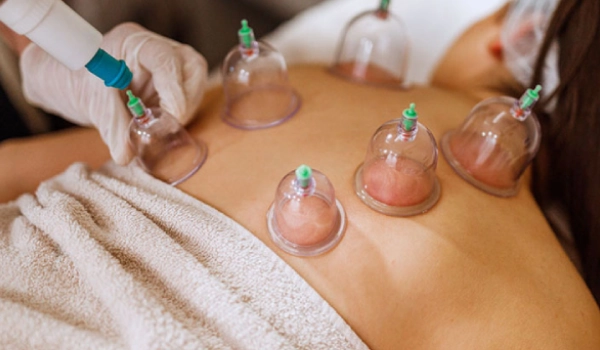
What Does Cupping Therapy Do?
Many people ask, “What does cupping therapy do, and why is it becoming so popular for pain management?
Cupping therapy uses specialised cups placed on the skin to create gentle suction. This suction lifts the skin and underlying tissues, encouraging blood flow to the affected area. The increased circulation may help reduce muscle tension, support the body’s natural recovery processes, and improve mobility.
Practitioners commonly apply cupping to the back, shoulders, neck, and legs to address muscular discomfort and stiffness. Depending on your condition, treatment may involve stationary cups or moving cups that glide across the skin.
Cupping Therapy for Lower Back Pain
Cupping therapy for lower back pain has become increasingly popular because the lower back often experiences significant strain from daily activities.
Whether you spend long hours at a desk, perform physically demanding work, or participate in sports, the muscles in your lower back can become tight and overworked.
Cupping therapy may help by:
- Reducing muscle tightness
- Improving circulation to affected tissues
Supporting recovery after physical activity
Improving range of motion
Complementing other back pain treatments
Many people include cupping therapy as part of a broader treatment plan to manage recurring lower back pain and improve overall function.
Key Cupping Therapy Benefits for Back Pain
Several cupping therapy benefits make this treatment attractive for people seeking natural pain relief.
Does Cupping Therapy Work for Long-Term Back Pain?
Another frequently searched question is, does cupping therapy work for chronic or long-term back pain?
Research suggests that cupping may help reduce pain intensity and improve physical function in some individuals. However, results depend on factors such as the cause of the pain, overall health, lifestyle habits, and consistency of treatment.
Cupping therapy generally works best when combined with other strategies, including:
- Exercise and stretching
Posture correction
Massage therapy
Acupuncture
Professional health advice
A personalised treatment plan often delivers the best long-term outcomes.
Conclusion
Cupping therapy offers a natural approach to managing back pain by helping to reduce muscle tension, improve circulation, and support recovery. As part of a comprehensive back pain treatment plan, it may help improve mobility and provide lasting relief for some individuals. At ProHealth Wellness Centre, we provide personalised cupping therapy for back pain in Vermont South, tailoring each treatment to your specific needs and health goals to help you move more comfortably and live with less pain.
To book an appointment, call us on (03) 8821 8686 or send an email to info@prohealthwellness.com.au.


