
 Skip to content

Dry Needling in Blackburn – ProHealth Wellness Centre
Muscle tightness, trigger points and ongoing discomfort can affect how you move, exercise and manage everyday activities. Dry needling uses fine, sterile needles to target specific areas of muscle and soft tissue, and may be included as part of a broader treatment plan based on your individual needs.
At ProHealth Wellness Centre, we provide dry needling therapy in Blackburn as part of personalised care for musculoskeletal concerns. With more than 10 years of chiropractic experience, our team, led by Dr Nic Wang, takes the time to understand your symptoms and movement before deciding whether dry needling is appropriate for you.
How Does Dry Needling Therapy Work?
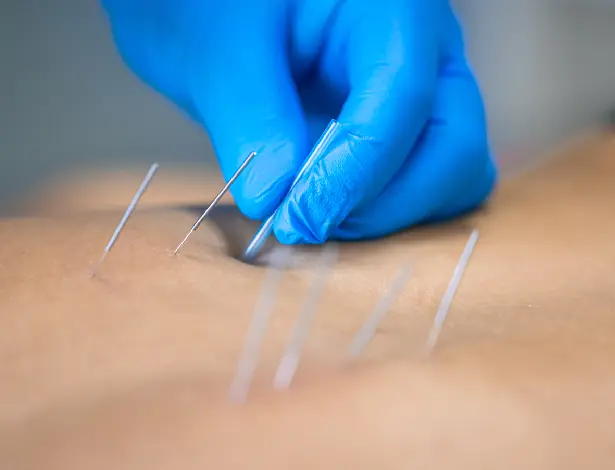
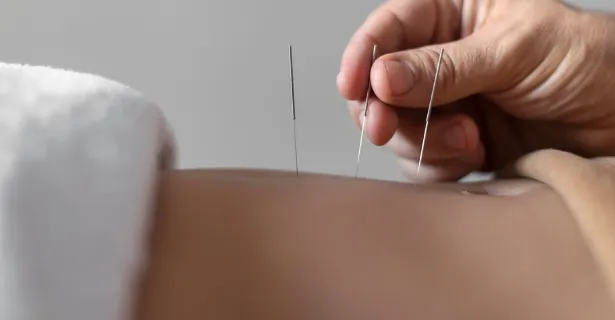
Dry needling focuses on tight muscles and trigger points rather than injecting medication into the body. A thin needle is inserted into the selected muscle, which may produce a brief local twitch response. This response can help release tension within tightened or irritated muscle tissue.
The technique is based on a Western approach and is different from acupuncture, which follows traditional Chinese medicine principles. Your dry needling practitioner will assess the area being treated before deciding which technique is appropriate.
When May Dry Needling Be Useful?
Muscle tension can develop through repetitive movements, physical activity, changes in movement or certain musculoskeletal conditions. Depending on your assessment, dry needling may be considered when tight or sensitive muscles are contributing to discomfort or restricted movement.
It may be included in treatment for concerns such as:
Muscle tightness and trigger points
Restricted movement
Sports-related muscle discomfort
Certain soft tissue concerns
Dry Needling for Sports Injuries as part of a broader treatment plan
For people in Blackburn South and nearby suburbs, the treatment can be incorporated into a broader care plan based on your symptoms and movement goals.
What Dry Needling Techniques Are Used?
Different techniques can be used depending on the muscle, symptoms and depth of the problem:
Why Choose ProHealth Wellness Centre?
Dry needling can be considered as part of care after assessing your symptoms, movement and treatment goals. At ProHealth Wellness Centre, your condition and treatment goals are considered before deciding how dry needling may fit into your care.


Book Dry Needling In Blackburn
If muscle tightness or discomfort is affecting the way you move, dry needling in Blackburn may be worth discussing with a practitioner. ProHealth Wellness Centre can assess your needs and explain whether dry needling may be appropriate as part of your care.
Call (03) 8821 8686 or email info@prohealthwellness.com.au to book an appointment or discuss your treatment needs.


