
 Skip to content

Dry Needling in Glen Waverley – ProHealth Wellness Centre
Ongoing muscle tightness can affect more than just the area where you feel discomfort. It can limit movement, make exercise harder and contribute to recurring muscle problems. Dry needling therapy may be considered when trigger points or tight muscles are affecting movement and comfort.
At ProHealth Wellness Centre, treatment starts with understanding how your muscles are functioning and what may be contributing to your symptoms. Dr Nic Wang brings more than 10 years of chiropractic experience, allowing Dry Needling in Glen Waverley to be considered as part of your care based on your condition, movement and treatment goals.
What Happens During A Dry Needling Session?
Your treatment begins with an assessment of your symptoms, mobility and muscle function. Your practitioner identifies areas of tension, tight bands or trigger points before selecting the appropriate treatment area.
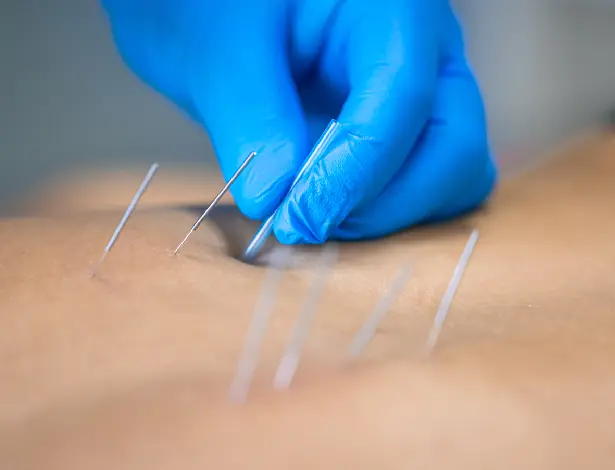
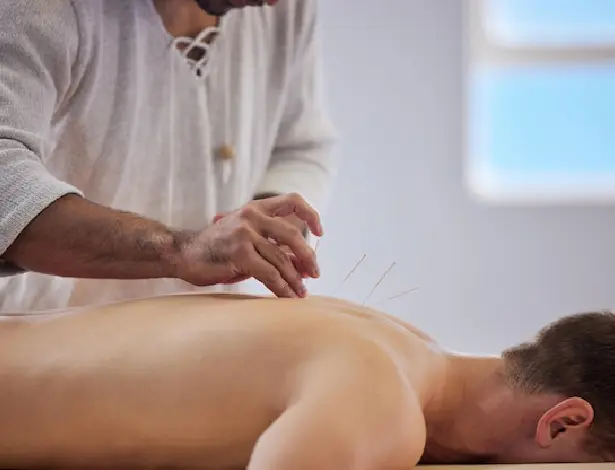
A thin, sterile needle is then inserted into the selected muscle without injecting any medication. You may notice a brief twitch response as the targeted muscle reacts to the stimulation. Once treatment is complete, the needle is removed and the area can be assessed again.
Mild soreness or tenderness may occur afterwards and usually settles within a short period.
Which Muscle Problems May Be Suitable For Dry Needling?
Dry needling may be considered when muscle tension or trigger points are contributing to discomfort or restricted movement. It may form part of care for several musculoskeletal concerns, including:
Persistent muscle tightness
Trigger points and tight muscle bands
Neck and shoulder tension
Lower back and other musculoskeletal concerns
Certain sports-related muscle problems
Rehabilitation following an injury
The suitability of treatment depends on your symptoms and assessment rather than simply the location of discomfort.
Which Dry Needling Technique Is Used?
There is more than one way to perform dry needling. Your dry needling practitioner can select a technique according to the muscle being treated and the depth or nature of the problem.
Need Dry Needling For Sports Injuries
Training, repetitive loading and sudden injuries can place extra strain on particular muscle groups. Dry needling for sports injuries may form part of treatment when muscle tension or trigger points are affecting movement or recovery.
Your practitioner can assess the affected area and determine whether dry needling has a useful role within your broader care.
Why Choose ProHealth Wellness Centre?
Dry needling is considered as part of your overall care rather than treated as a stand-alone solution.


Book Dry Needling In Glen Waverley
If muscle tension, trigger points or restricted movement are affecting your daily activities or exercise, ProHealth Wellness Centre can assess your concerns and discuss whether dry needling may be suitable.
Call (03) 8821 8686 or email info@prohealthwellness.com.au to arrange an appointment or discuss your treatment needs.


