
 Skip to content

How Often Should You Get a Sports Massage? A Guide for Active People
There is no single answer to how often should you get a sports massage. The right approach depends on your training routine, exercise intensity and recovery needs. Someone who exercises less often may need fewer sessions than someone training several times each week.
Your goals and muscle soreness can also affect when you may benefit from a sports massage. The key is to choose a routine that supports your activity without assuming that more sessions are always better.
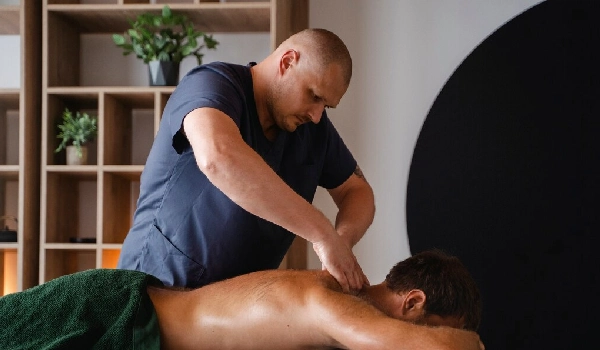
What Determines Your Sports Massage Frequency?
Several factors can influence how often should you have a sports massage. Your usual training routine provides a useful starting point. The type of activity also matters because different sports place different demands on the body.
Consider these factors when planning your sessions:
Your needs can also change over time. A routine that works during lighter training may not suit a demanding training block.
How Often Should You Get a Sports Massage If You Exercise Regularly?
If you exercise several times a week, sports massage can become part of your wider recovery routine. However, sports massage after workout sessions should not automatically follow every training session. Your training volume and how your body responds can help determine when another appointment is useful.
Some active people may prefer regular sessions as part of their general maintenance routine. Others may benefit from more sessions during periods of increased training. If your workload decreases, your usual sports massage routine may also need to change. The goal is to match sessions with your routine rather than follow the same schedule throughout the year.
Should You Get a Sports Massage Before or After Exercise?
Whether to have a sports massage before or after exercise depends on your activity, the timing of your session and the type of massage. A lighter session before exercise may be considered as part of preparation. A more focused session may be better suited to another time around training.
There is no universal rule that says massage must happen before or after exercise. The appropriate timing depends on the individual and the activity.
How Often Should Athletes Get a Sports Massage?
Athletes often have different massage needs because their training schedules can be more demanding. Sports massage for athletes may need to fit around training blocks, rest periods and competitions. Someone training for a major event may have different needs from someone between competitions.
During heavier training periods, massage frequency may be adjusted according to recovery needs. Competition periods can also change the timing and type of sessions. Competitive athletes may use massage as one part of a broader recovery plan. Recreational athletes can also benefit from a considered approach without following a professional athlete’s schedule.
How Often Should You Get a Sports Massage for Muscle Soreness?
If you are wondering how often should you get a sports massage because of muscle soreness, first consider what the soreness feels like. Normal post-exercise soreness can occur after unfamiliar or demanding activity. A massage may form part of your recovery routine when muscles feel tight or uncomfortable.
However, repeated massage is not always the best response to ongoing pain. Persistent, severe or unusual pain should be assessed by an appropriate healthcare professional. Sports massage should support a sensible recovery routine rather than replace proper assessment when something does not feel right.
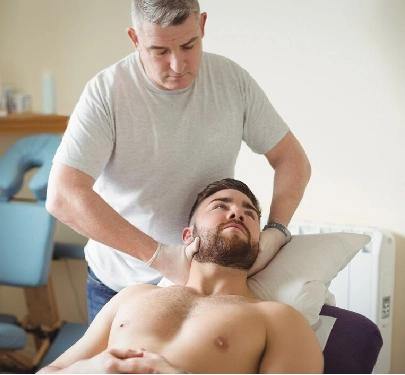
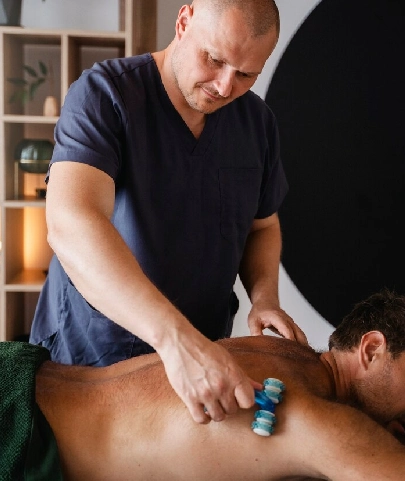
Finding the Right Sports Massage Routine
The answer to how often should you get a sports massage depends on your activity level, training demands and recovery needs. There is no universal schedule that suits every active person. Your routine may also change as your training volume, goals or exercise habits change.
Sports massage can form part of a broader recovery routine alongside appropriate rest and training. If you are unsure about your ideal frequency, discuss your needs with a qualified massage professional. ProHealth Wellness Centre provides sports massage for people looking for professional support with their massage and recovery routine. To book an appointment, call us on (03) 8821 8686 or send an email to info@prohealthwellness.com.au.


